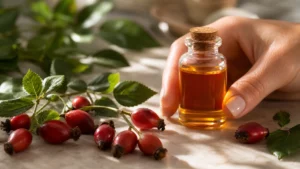
If you've spent any time researching natural skincare, you've almost certainly come across rose hip oil for anti-aging. It's one of the most talked-about carrier oils in DIY formulation, and…
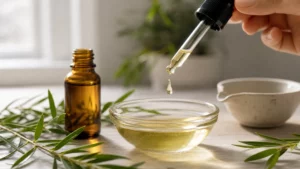
Tea tree oil is one of the most popular essential oils in DIY skincare, and one of the most misused. Getting the tea tree oil dilution ratio for skin right…
If you've spent any time browsing skincare ingredients, you've almost certainly come across niacinamide. It's one of those actives that keeps showing up, in commercial serums, in formulator forums, and…
If you make your own beauty products, you already make choices that most big brands can't, you pick every ingredient, every process, and every container. In 2026, sustainable packaging for…
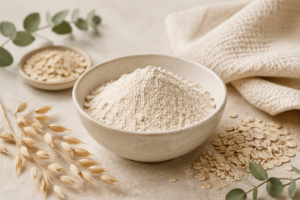
If you've ever wondered why oat baths feel so instantly calming on irritated skin, the answer comes down to one specific form of the ingredient: colloidal oatmeal. This article covers…
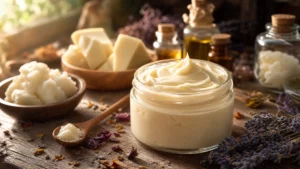
If you've ever wanted to know how to make natural body butter at home, with exact measurements, not vague guesses, you're in the right place. Body butter is one of…
Panthenol is one of those ingredients that earns its place in almost every formula you'll make. Whether you're building a face serum, a shampoo, or a leave-in conditioning spray, it…
Borax turns up in everything from vintage laundry detergent tins to modern DIY skincare forums, but most people have only a vague sense of what it actually is. If you've…
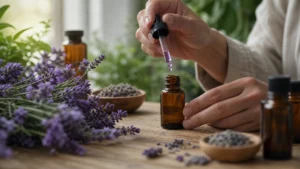
Lavender is one of those ingredients that almost every maker reaches for first, and for good reason. The lavender essential oil skin benefits are well-documented in both traditional use and…
⚠️ Disclaimer
All formulas, recipes, and information shared on this blog are provided in good faith for educational and informational purposes only.
While every effort is made to ensure accuracy and safety, DIY Naturally cannot be held liable for any adverse reactions, injuries, or damages resulting from the use or misuse of the information provided.
We strongly recommend that:
Customers always perform a patch test before using any product.
Individuals with known allergies or sensitivities substitute or avoid ingredients that may cause reactions.
Products be used responsibly and within recommended guidelines.
By using the information provided, you acknowledge that you do so at your own discretion and risk.