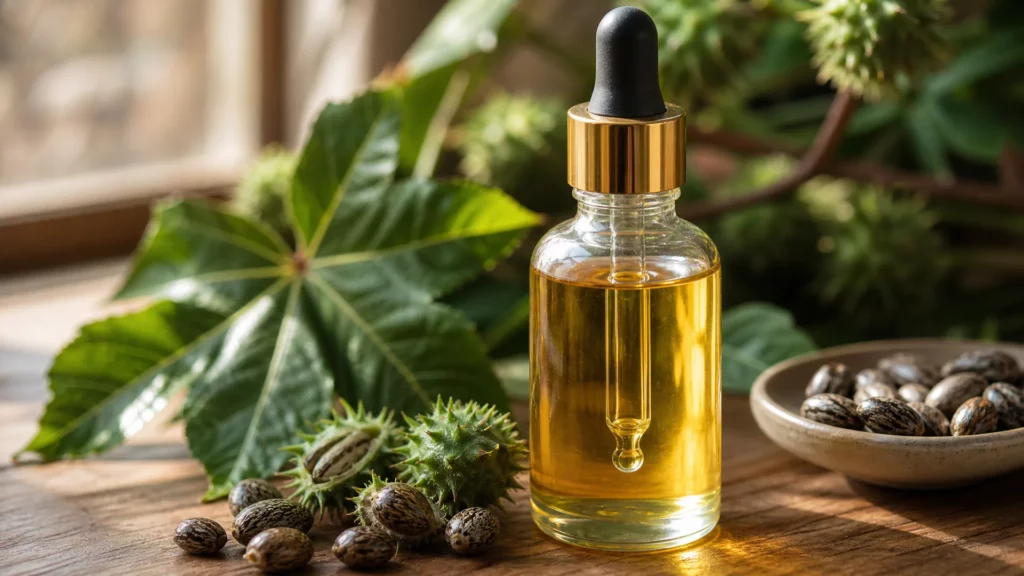
Castor Oil Cold Pressed and Hexane Free, Uses and Benefits in Skincare
Castor oil has been a staple in skincare and hair care for centuries, but not all castor oil is the same. If you want the full benefit in your DIY formulations, you need castor oil cold pressed and hexane free, and understanding why that distinction matters will change how you shop for ingredients. This guide covers what the label actually means, what the oil does for skin, and exactly how to use it in your home formulations.
What Makes Castor Oil Cold Pressed and Hexane Free?
Castor oil is extracted from the seeds of Ricinus communis. The method used to get the oil out of those seeds has a direct impact on the quality of what ends up in your formula.
Cold pressing uses mechanical pressure and low heat to squeeze oil from the seeds. No solvents are involved, and the temperature stays low enough to preserve the oil’s natural fatty acids, antioxidants, and colour. The result is a pale yellow oil with the full nutrient profile intact.
Solvent extraction, the cheaper industrial alternative, uses hexane, a petroleum-derived chemical, to pull more oil from the seed material. The hexane is then evaporated off, but trace residues can remain. Beyond the residue concern, the process degrades some of the beneficial compounds in the oil, and the finished product is less suitable for leave-on skincare.
Hexane-free simply means no solvent was used at any point in extraction. When you see both labels together, cold pressed and hexane free, you’re getting an oil produced entirely by mechanical means, with no chemical shortcuts.
How Extraction Method Affects Oil Quality
Cold pressing preserves the oil’s natural ricinoleic acid content, its colour, and its characteristic viscosity. These aren’t just cosmetic qualities, ricinoleic acid is the primary active component, and keeping it intact is the whole point.
Solvent-extracted castor oil tends to be lighter in colour and thinner in texture, which can seem appealing, but that difference often signals heavier processing. For skincare and cosmetic formulation, cold pressed is the cleaner, more reliable choice.
Key Skincare Benefits of Cold Pressed Castor Oil
Castor oil’s reputation in skincare is well-earned, and most of its benefits trace back to one remarkable fatty acid.
Ricinoleic Acid: The Star Fatty Acid
Ricinoleic acid typically makes up around 85–90% of castor oil’s fatty acid profile. That’s an unusually high concentration of a single fatty acid compared to most other carrier oils, which tend to have a more mixed profile. This concentration is what makes castor oil behave so differently from oils like sunflower or rosehip.
Ricinoleic acid is a hydroxyl fatty acid, the hydroxyl group gives it both humectant and anti-inflammatory properties. Research into ricinoleic acid suggests it can reduce skin inflammation, which is why castor oil has a long history of use on dry, cracked, or irritated skin. It also binds to water more readily than most fatty acids, helping the skin hold onto moisture rather than losing it to the environment.
Moisture, Barrier Support, and Skin Feel
Castor oil is occlusive. Applied to the skin, it forms a film that slows transepidermal water loss, the same principle behind petroleum jelly, but from a plant source. This makes it especially useful for dry and very dry skin types, cracked heels, chapped lips, and compromised skin barriers.
It also has film-forming properties that give finished products a glossy, smooth feel. That’s why it’s a core ingredient in many commercial lip products and mascara formulas, its viscosity, film-forming ability, and humectant properties are recognised industry-wide, which tells you plenty about its safety and function at appropriate use levels.
For scalp and hair edge use, castor oil’s thickness coats the hair shaft and helps seal moisture in. It’s particularly popular for edges and brows because the high-gloss finish doubles as a styling aid.
How to Use Cold Pressed Castor Oil in Your DIY Skincare
This is where things get practical. Castor oil is not an oil you typically use neat or as a primary carrier, its thickness and slight tackiness mean it works best blended.
Blending Castor Oil With Other Carrier Oils
The right blending partner makes castor oil significantly easier to work with and improves the skin feel of your finished product.
Jojoba oil as a blending partner is one of the most popular choices. Jojoba is technically a liquid wax, not a true oil, and its dry, non-greasy finish counterbalances castor oil’s heaviness beautifully. A 10–15% castor oil to 70–80% jojoba blend makes an excellent facial serum base.
Carrot seed carrier oil is another useful pairing, bringing beta-carotene and natural antioxidants into the blend, well suited to mature or dull skin formulas.
Adding vitamin E oil to extend shelf life is standard practice with castor oil blends. At 0.5–1% of your total formula, vitamin E acts as an antioxidant that helps slow rancidity, especially important in a blend you’ll be using over several months.
Suggested Usage Rates for Common Formulations
Getting the percentage right is the difference between a product that feels luxurious and one that feels sticky.
- Leave-on facial products: 5–20%. Keep castor oil below 20% in leave-on facial products to avoid excessive tackiness. Start at 10% and adjust to texture.
- Body lotions and balms: up to 20–25%, where heavier textures are more acceptable.
- Lip balms: 20–40%. Lip formulas benefit from castor oil’s occlusive, glossy film, so higher concentrations work well here. It’s a traditional lip balm ingredient for good reason.
- Heel balms and foot creams: 20–35%. The skin on heels tolerates and benefits from heavier occlusion.
- Hair serums and scalp treatments: 20–50%, depending on the desired weight of the product.
- Cleansing oils: 10–20%, where it contributes emollient removal action.
These are starting-point ranges, always adjust based on your specific formula and the other ingredients involved.
DIY Formulations That Work Well With Castor Oil
Once you understand castor oil’s texture and function, a handful of product types become obvious fits.
Lip balm is the classic entry point. Castor oil gives lip balms their characteristic shine and helps active ingredients like shea butter or cocoa butter adhere to the lips. If you’re new to making lip products, making a natural lip balm with castor oil as part of the oil phase is a great first project.
Hair and brow serum is another natural fit. A simple blend of castor oil (30–40%), jojoba (50–60%), and vitamin E (1%) in a small roller bottle is one of the most-used DIY formulas for this purpose. The thick film coats individual hairs and gives a polished look.
Heel balm benefits enormously from castor oil’s occlusive properties. Combined with shea butter and a small amount of peppermint essential oil, it makes a hard-working balm for cracked skin. The higher castor oil percentage is an advantage here, you want that barrier.
Facial cleansing blend (oil cleansing method): castor oil at 10–15% combined with a dry-finish oil like jojoba or sunflower breaks down makeup and sebum while leaving skin balanced. Castor oil’s slight tackiness actually helps it lift impurities from pores when massaged in and removed with a warm cloth. If you’re exploring natural alternatives to silicones in your formulations, castor oil’s film-forming ability makes it a useful functional swap.
What to Watch Out For When Formulating With Castor Oil
Castor oil is a forgiving ingredient for beginners, but a few things are worth knowing before you start.
Texture at high percentages. Castor oil is thick, much thicker than most carrier oils. Above 20–25% in a leave-on product, most people find it too tacky on the skin. If your formula feels sticky after application, reduce your castor oil percentage and compensate with a lighter carrier.
Solubility with certain ingredients. Castor oil mixes well with most other fatty oils, waxes, and oil-soluble actives. It doesn’t blend well with water-based phases without a proper emulsifier, so keep it in the oil phase of any emulsion.
Skin sensitivity. Castor oil sensitivities do exist, though they’re not common. If you’re making products for someone with sensitive or reactive skin, do a patch test, apply a small amount to the inner arm, wait 24 hours, and check before full use. This is good practice with any new ingredient.
Not suitable for acne-prone skin at high doses. Castor oil’s thick, occlusive nature can feel heavy for oily or acne-prone skin types. At low percentages (5–10%) in a light blend it can still work, but avoid using it neat or as a primary ingredient for this skin type.
For a broader introduction to building safe, balanced formulas, the beginner’s guide to skincare formulation is a useful starting point if you’re newer to home formulating.
Choosing and Storing Your Castor Oil
When buying castor oil for skincare, the label is your first filter. Look for:
- Cold pressed, mechanical extraction only, no heat processing
- Hexane free, no solvent used at any stage
- Unrefined or virgin, signals minimal processing, though this terminology is less standardised than in olive oil
A quality cold pressed castor oil should be pale to medium yellow with a faint, slightly nutty smell. Clear and completely odourless can indicate heavy refining.
Shelf life: cold pressed castor oil is relatively shelf-stable thanks to its high ricinoleic acid content. Expect a shelf life of around 12 months from opening when stored correctly. Always add vitamin E at 0.5–1% to your blends to extend stability further.
Storage: keep it in a sealed, dark glass bottle away from heat and direct light. A cool, dark cupboard works well. Avoid leaving it near the hob or on a sunny bathroom shelf.
Signs it has gone off: rancid castor oil smells distinctly unpleasant, sour, musty, or sharp rather than the mild, characteristic scent of fresh oil. If the colour has darkened significantly or the texture has changed, trust your nose and discard it.
DIY Naturally stocks cold pressed carrier oils including hexane-free castor oil sourced specifically for home formulators and small-batch makers. Pick up jojoba and vitamin E from the same range to have everything you need for a balanced serum, lip balm, or hair oil, all in one place.