Thinking of turning your handmade skincare into a business? This South African guide covers cosmetic compliance, labelling, sourcing, packaging, pricing and beginner-friendly formulations for small-batch natural beauty makers.
Making your own DIY natural perfume rollers is one of the most satisfying beginner formulation projects you can take on. The process is straightforward, the ingredients are affordable, and the…
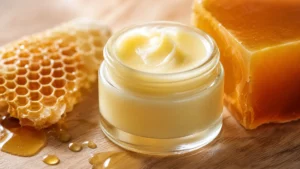
Beeswax has been a staple of skin protection for centuries, and once you understand what it actually does in a formula, it's easy to see why. If you've been wondering…
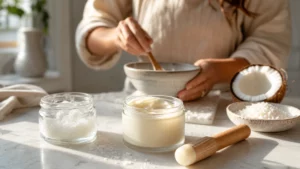
A good natural deodorant recipe with coconut oil is one of the most satisfying things you can make from scratch. You control exactly what goes on your skin, it costs…
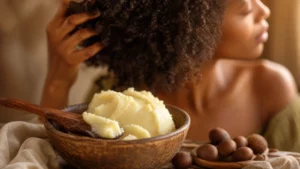
Shea butter has been a hair care staple for generations across West and Central Africa, and for good reason. If you're formulating your own hair products, understanding the shea butter…
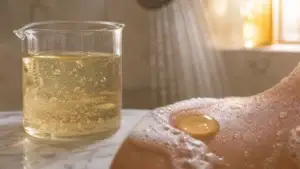
If you've ever wondered what actually makes a body wash clean, the answer comes down to surfactants and their uses in everyday formulation. Surfactants are the functional backbone of almost…
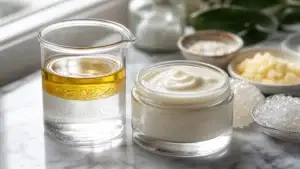
Choosing the right emulsifier for natural creams is one of the first real decisions you'll face as a DIY maker, and it's the one that trips up more beginners than…
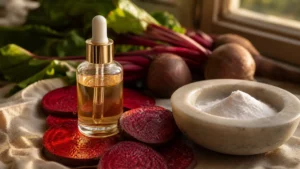
Betaine in skincare is one of those ingredients that quietly does a lot of heavy lifting. It hydrates, it soothes, it helps your skin cope with environmental stress, and it…
⚠️ Disclaimer
All formulas, recipes, and information shared on this blog are provided in good faith for educational and informational purposes only.
While every effort is made to ensure accuracy and safety, DIY Naturally cannot be held liable for any adverse reactions, injuries, or damages resulting from the use or misuse of the information provided.
We strongly recommend that:
Customers always perform a patch test before using any product.
Individuals with known allergies or sensitivities substitute or avoid ingredients that may cause reactions.
Products be used responsibly and within recommended guidelines.
By using the information provided, you acknowledge that you do so at your own discretion and risk.